
When Learning Isn’t Enough & Understanding Changes Everything
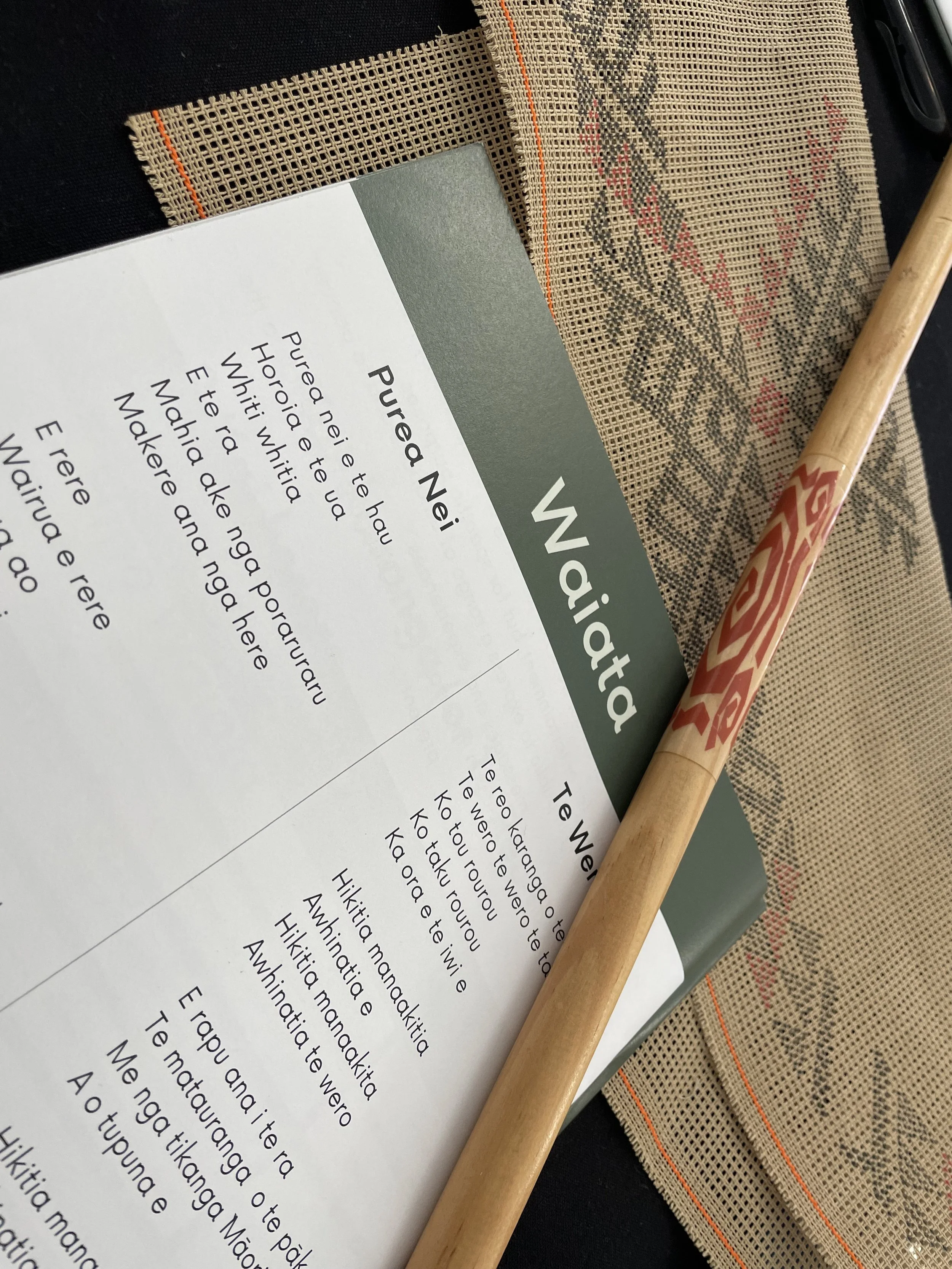
Why I’m Doing This Work: Cultural Wellbeing Retreats
Learning has never been the problem in healthcare.
We attend courses. We learn frameworks. We complete cultural competency modules.
And yet, so much remains unchanged.
How I stand in this work
I’m not an expert in equity. I’m certainly not an expert in Māori wisdom and tikanga.
I’m an Australian who arrived in Aotearoa in 1999 and never left – someone whose life, work and worldview have been shaped by this land, by the people who belong to it, and by a humbling, ongoing journey with te reo Māori and Māori ways of seeing the world.
That journey has deeply connected me to Aotearoa and reshaped how I understand health, wellbeing, sustainability and leadership. It’s also why I am so committed Cultural Wellbeing Retreats.
Where this work comes from
At the heart of my work is facilitation: recognising what’s needed, creating the right conditions, and helping change to take place.
A significant strand of my practice over the past decade has sat at the intersection of healthcare, leadership and systems change, from working alongside clinicians facing burnout and career disillusionment to consulting at the intersection of sustainability and health.
Through this work, one truth has become obvious…sustainable healthcare and equitable healthcare are inseparable. The challenges are relational, grounded in connection to people, to whenua, and to a shared responsibility that extends beyond the individual.
This is where Indigenous wisdom becomes essential.
Indigenous wisdom and system transformation
The most complex challenges we face in healthcare cannot be solved with the same thinking that created them.
Indigenous worldviews, including Māori worldviews, offer a fundamentally different way of seeing. These worldviews are grounded in connection to land, to community, to whakapapa, and to responsibilities that extend beyond the individual and beyond a single lifetime.
This is not about appropriating knowledge. It is about recognising the limits of the dominant systems we work within and understanding that listening to, learning from, and being guided by Indigenous perspectives is both part of addressing health inequity and part of restoring our own humanity within these systems.
Why retreats?
I’ve been running events for clinicians through EMUGs for eight years. I am deeply passionate about health, wellbeing and the power of retreat spaces.
Retreats create conditions that everyday professional development cannot. They slow us down. They remove us from the noise. They allow us to listen…not just intellectually, but emotionally and spiritually.
So when Cultural Wellbeing Retreats emerged as a concept, it was a clear yes.
Retreats are facilitation in its purest form: removing the usual pressures, changing the pace, and inviting people into presence. That presence creates the conditions for real reflection and insight…the soil where genuine change can take root.
Cultural Wellbeing Retreats don’t provide ready-made answers. They create the conditions for better answers to emerge.
A call to those working in healthcare
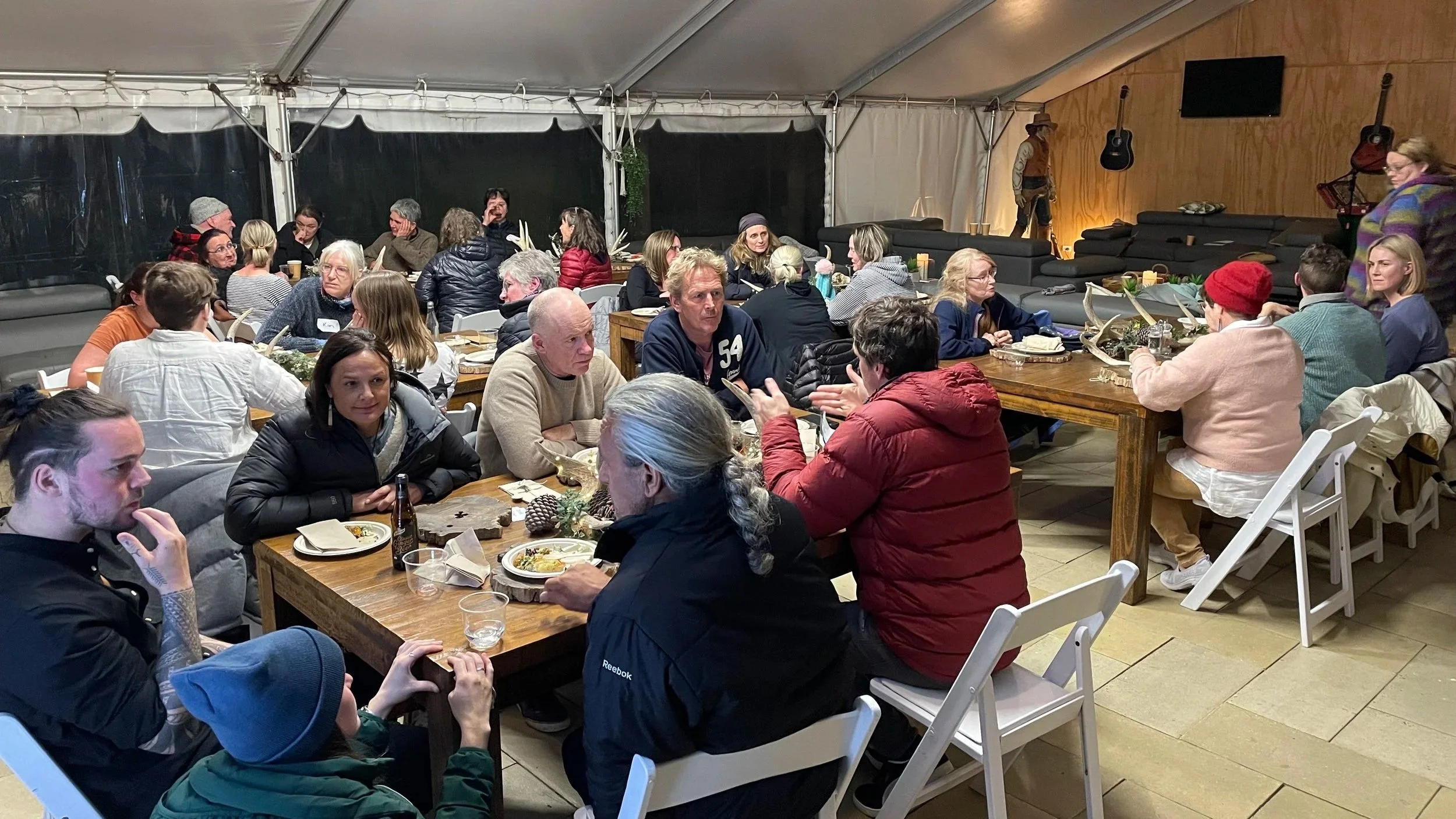
This work is an invitation to healthcare workers who recognise that deepening their own connection to Indigenous worldviews is not only part of the solution to health inequity, but also a gift to their own lives and wellbeing.
When we reconnect to whenua, to story, to relationship, we reconnect to ourselves. From there, something shifts in how we practise, how we lead and how we care.
A bridge between knowing and understanding
We talk a lot about understanding. Cultural competence. Cultural safety. Equity.
But true understanding doesn’t come from more information.
We only begin to bridge the gap when we step into another way of seeing the world.
That is what these retreats offer:
A bridge between intention and responsibility.
A bridge between knowing and understanding.
A bridge betwen understadning and change.
This is why I am doing this work.
And this is why Cultural Wellbeing Retreats matter.