
From “Dying on the Resus Table” to Sustainable Growth
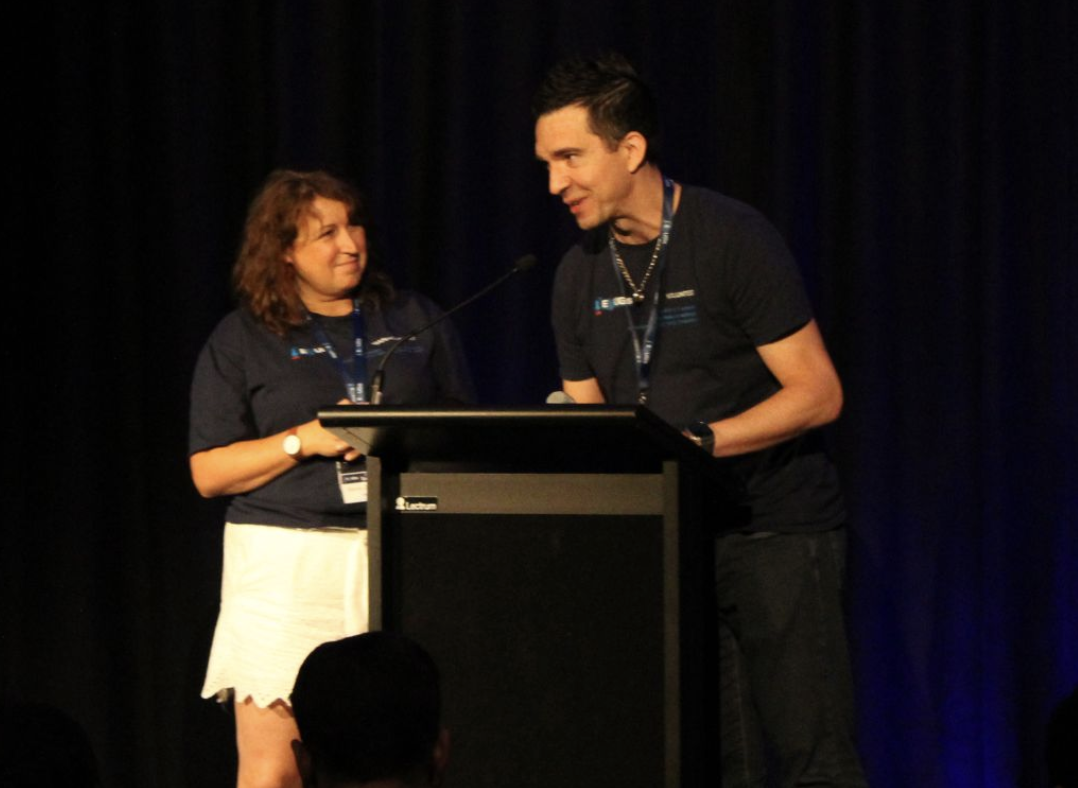
The EMUGs Story
There’s a particular moment with EMUGs that I’ll never forget.
We were looking, very honestly, at the state of the organisation.
Passionate doctors.
Packed events.
Real impact.
….And yet, underneath it all, the foundations were crumbling.
One of us said, half-joking, half-serious:
“This thing is dying on the resus table.”
Not because the work wasn’t needed.
Not because people didn’t care.
…But because the way the organisation was set up simply couldn’t hold the growth it had created.
This is the story of what we did next and why it matters for any purpose-led organisation trying to grow without burning out its people.
Where EMUGs was when I arrived
When I first started working with EMUGs, the organisation was about a year old.
It was:
Early-stage and fast-growing – there was huge energy, demand and goodwill.
Leadership was entirely volunteer-led – senior doctors with full-time clinical jobs were trying to run a movement on the side.
Messy and fragile – no strategy, no governance, no real operational foundation.
Under the surface, a lot of pain points were starting to show:
Admin staff were burning out and leaving.
Work was being duplicated across different people and regions.
There was no clear pathway to sustainable funding.
Personal agendas were slipping in, because there wasn’t a shared direction or structure to hold decisions.
EMUGs wasn’t a “badly run business”. It was a very familiar story: good-hearted people running on fumes, trying to meet a real need without the strategy, leadership support or systems to back them.
If nothing changed, it was at serious risk of collapsing under its own success.
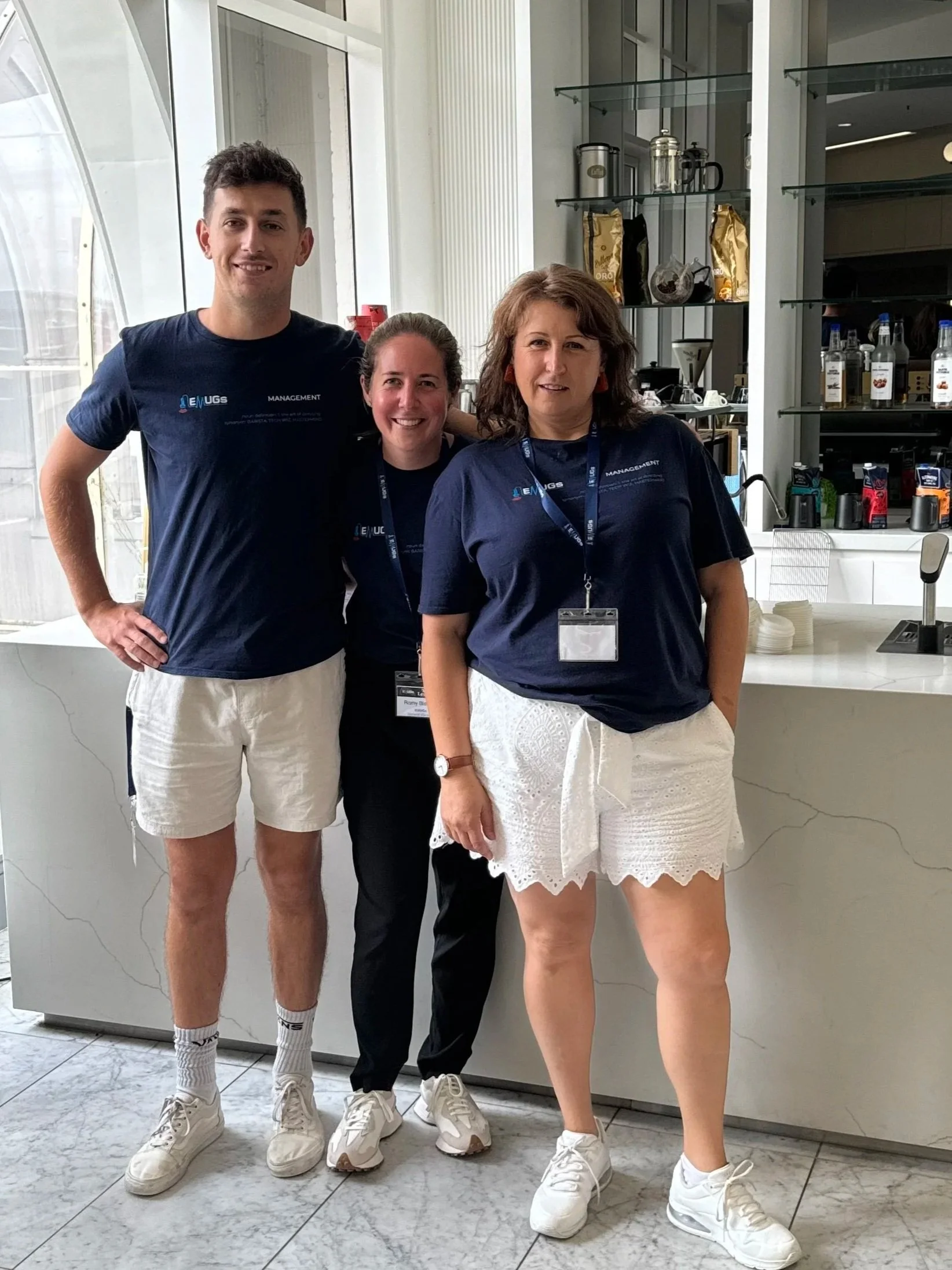
Why I was brought in
Initially, I was brought in to support the New Zealand activity and lay foundations for growth.
Pretty quickly, the real issues became clear. EMUGs needed help across both Australia and New Zealand, and I was asked to step up in a broader capacity.
My job was to bring a steady strategic view, see the opportunity clearly, and put in place what was needed to realise it, in a way that supported the people involved and honour the founding purpose.
What we actually did, step by step
Over time, working in a fractional Strategy & Leadership role, we:
1. Created a real strategy
We got everything out on the table:
What are we here to do?
Who are we for?
What’s the real value we provide?
What’s realistic with the resources we have?
From this, we wrote a clear strategy and set of priorities that everyone could see themselves in. This became the anchor for future decisions.
2. Put basic governance in place
We recruited a board and established governance:
Clear roles and responsibilities
Decision-making processes
A place for strategy and oversight to live
This wasn’t about bureaucracy. It was about giving the organisation a spine.
3. Centralised and stabilised operations
We centralised operations, to become more lean and agile
We:
Reduced duplication
Clarified who was doing what
Created basic, repeatable processes
The aim was to remove unnecessary stress from volunteers and make it possible to scale without burning people out.
4. Designed structures for a growing volunteer community
We looked at the volunteer community and asked:
What’s the potential here?
What structure would allow people to contribute with ease?
How do we create pathways so people know how they can be involved?
We designed frameworks and roles that made it easier for the community to grow sustainably without relying on a handful of generous individuals.
5. Evolved the brand and positioning
We also had to shift how EMUGs saw itself.
There was a mindset change from:
“We’re just a group of keen doctors running events…”
to:
“We are a credible, impactful, volunteer-led organisation with a clear role in the system.”
We elevated the brand, improved the way events were presented and experienced, and recruited a brand and marketing partner to help us show up consistently.
6. Supported the founder and key leaders
Throughout all of this, I spent a lot of time with the founder and key leaders.
We worked through:
What the next phase of leadership looked like
What they personally needed to let go of
Where they were most needed and where they weren’t
Coaching here wasn’t “nice to have”. It was central to making the shift.
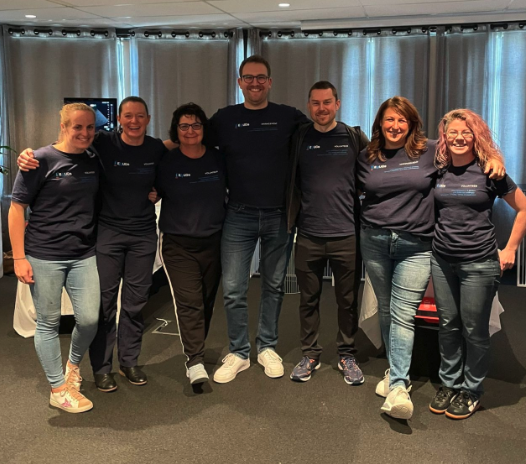
What changed
Over time, EMUGs transformed from a passionate, fragile project into an organised, volunteer-led entity with:
Clarity about who it was, what it was here to do and how it would do it
Stronger leadership and governance to hold the strategy
Simpler, more stable operations that reduced burnout
Re-energised volunteers who understand where they fit
The ability to run more events, significantly increase sponsorship revenue and build an international volunteer team, many of whom still contribute today
The organisation didn’t lose its heart or grassroots flavour.
It gained the structure, leadership and confidence to keep going.
My contribution – and why I’m sharing this
My unique contribution at EMUGs was the blend of:
Steady strategic vision – seeing the opportunity and risk clearly
People leadership and coaching – supporting the humans holding the work
Practical execution – designing structures, systems and rhythms that fit a volunteer-led context
Without that combination, I genuinely believe EMUGs would have struggled to survive, let alone grow.
I’m sharing this story because EMUGs is not an isolated case.
So many purpose-led organisations, social enterprises and not-for-profits find themselves in a similar position:
Full of momentum, demand and heart
Held together by exhausted leaders and volunteers
One or two resignations away from everything unravelling
What often makes the difference is not more goodwill or working harder. It’s bringing in the right kind of fractional Strategy & Leadership support at the right time:
Someone who can hold the whole picture
Ask the hard questions kindly
Design strategy, structure and leadership rhythms that your people can sustain
If this sounds familiar…
If your organisation feels a bit like EMUGs did in those early days, passionate, impactful, but on the edge of burnout and breakdown – there is a pathway forward togteher through a fractional partnership that with:
Focus your strategy
Support and grow your leaders
Align impact, brand and governance
Design simple structures and systems for sustainable growth
Read more about how I work, or reach out if you’d like to explore what this could look like for your organisation.